
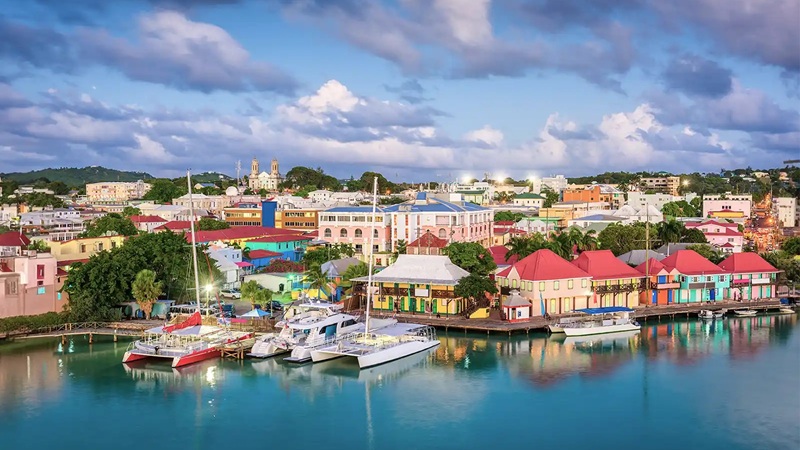
Antigua and Barbuda is a twin-island nation in the Caribbean that has become very popular with expats, retirees, and digital nomads who want a tropical lifestyle without giving up modern comforts. The islands are known for their natural beauty, with beautiful beaches, turquoise waters, and lush landscapes that appeal to anyone seeking serenity and outdoor activities.
The islands’ tropical climate, with sunshine and warm temperatures throughout the year, adds to their appeal and makes them an attractive choice for those seeking a laid-back lifestyle. From sailing in clear waters to hiking through green hills and enjoying local cultural experiences, living in Antigua and Barbuda offers an active yet peaceful way of life.
As with any move, however, living in Antigua and Barbuda has its pros and cons. While the relaxed pace of life and favorable tax environment attract many people, the cost of living is relatively high, with expensive imported goods adding to monthly expenses. With tourism driving the economy, jobs are limited outside the hospitality and government sectors.
This can make it difficult for those seeking work in other sectors. Healthcare facilities cover most routine needs but may lack specialized care, and the islands are vulnerable to hurricanes during the annual hurricane season. This article explores the pros and cons of living in Antigua and Barbuda to help potential expatriates and retirees assess whether this Caribbean destination fits their lifestyle.

Pros of Living in Antigua and Barbuda
For those interested in making the islands their home, the Antigua and Barbuda’s Citizenship by Investment Program is one of several available routes.
Stunning Natural Beauty and Ideal Climate
Antigua and Barbuda is a haven for nature lovers, with a combination of tropical landscapes that gives the islands their unique charm. Antigua, the larger of the two islands, is often said to have 365 beaches, with soft white sand and clear turquoise water. These beaches are ideal not only for sunbathing but also for water activities such as snorkeling, diving, and kayaking.
The shallow waters around the islands are home to abundant marine life and colorful coral reefs that attract both novice and experienced divers. For those who prefer exploring on land, Antigua’s hills offer several hiking trails with spectacular views of the coastline and greenery. On quieter Barbuda, you can find miles of pink-sand beaches and one of the largest frigatebird colonies in the world.
The tropical climate brings sunshine and warm temperatures throughout the year, moderated by trade winds that help ease the heat. This pleasant weather supports an outdoor lifestyle, with beach outings, sailing, and eco-tourism experiences available year-round.
Living in such an environment means that natural beauty is part of everyday life. From vibrant flora and fauna to the clear waters of secluded coves, there is always something to enjoy. The islands’ diverse ecosystems, including mangroves and coastal wetlands, offer many opportunities for eco-tourism and wildlife observation.
Whether you are watching nesting sea turtles, observing birdlife in nature reserves, or hiking through tropical forest, the islands offer a wide range of outdoor experiences. For water sports enthusiasts, Antigua is considered one of the Caribbean’s premier sailing destinations, with conditions suitable for beginners and experienced sailors alike.
Relaxed Lifestyle and Peaceful Environment
The casual, laid-back lifestyle is one of the biggest attractions of life in Antigua and Barbuda. Compared with major metropolitan areas, island life moves at a much slower pace, which appeals to retirees, digital nomads, and anyone looking to leave a fast-paced life behind. The general atmosphere encourages people to enjoy life, whether through leisurely beach walks, time outdoors, or quiet reflection.
For many people, the absence of daily urban stress improves well-being. Residents often mention the sense of calm, with less of the noise and congestion found in larger cities. The small communities on both islands foster close neighborhoods where people have time for one another, creating a strong sense of belonging.
Favorable Tax Environment for Expats and Entrepreneurs
Antigua and Barbuda offers a favorable tax environment for expatriates, retirees, and entrepreneurs. The government offers incentives to attract foreign investors, and the islands provide an attractive base for business. There is no personal income tax on employment income for residents, and no inheritance tax or capital gains tax, which can help residents preserve and grow their wealth. Property tax does apply, but the overall tax structure is a significant advantage for expatriates considering relocating their business.
These tax policies make the country attractive to people with international businesses and to retirees who receive income from abroad, although individuals should seek professional tax advice on their own situation. Antigua and Barbuda’s Citizenship by Investment Program allows eligible investors to obtain citizenship through a qualifying investment, subject to due diligence and approval.
Citizenship brings privileges such as easier travel to many countries and access to the country’s tax regime. For entrepreneurs, the islands offer opportunities in fields such as tourism, real estate, and agriculture, supported by a government that encourages foreign investment and business development.
Antigua and Barbuda is also popular for its quality of life. The islands have a well-established property market, from luxury estates to seafront villas, and a growing expat community that provides a support network for newcomers. Social clubs, international schools, and recreational activities allow expats to become part of a wider community while still enjoying the tranquility of the islands.
Quality of Life and Healthcare
The local cuisine is also a highlight, featuring fresh seafood, local produce, and Caribbean spices. The diverse expat community adds to the vibrant social scene, providing opportunities for cultural exchange and social integration. Taking part in local festivities is one of the best ways for expatriates to build meaningful connections with locals and other international residents.
The general quality of life in Antigua and Barbuda is good, with access to modern amenities and services, especially on Antigua, the more developed of the two islands. Hospitals and private clinics provide routine treatment, diagnostics, and many surgeries. Specialized medical care, however, often requires travel to larger medical centers abroad, such as in the United States or other Caribbean countries. This can be inconvenient but manageable with the right health insurance, which is why many expats choose international health insurance plans that include medical evacuation.
The close-knit communities on the islands add to residents’ sense of security, as neighbors often look out for one another. Antigua and Barbuda also has a significant expat community that helps newcomers adjust to island life.
Cultural Richness and Vibrant Community
Antigua and Barbuda has a vibrant culture rooted in traditions passed down over generations. Festivals, events, and celebrations reflect the diverse heritage of the local population, shaped by African, British, and Caribbean influences. One of the most striking events is Antigua Carnival, held each summer, with colorful parades, energetic music, and traditional dance, bringing locals and visitors together. Throughout the year, smaller festivals, art exhibitions, and community events add to the richness of local life.
Safety and Security
Antigua and Barbuda is generally considered one of the safer destinations in the Caribbean, which is important for expatriates and retirees seeking peace of mind. While caution is advisable in certain areas, the overall level of personal safety compares favorably with many other Caribbean destinations. The Antigua And Barbuda government places emphasis on safety and security, and for many expats, the combination of relatively low crime and a peaceful atmosphere makes the islands attractive for long-term living.
Cons of Living in Antigua and Barbuda

High Cost of Living
While the idea of living in paradise is appealing, living in Antigua and Barbuda can be relatively expensive, particularly for imported goods. Most food products, household items, and vehicles are imported, which leads to higher prices. For expatriates used to cheaper goods at home, these costs can come as a surprise. Some locally produced goods and services are fairly inexpensive, but the cost of imports can quickly add up. This can be challenging for those on a fixed income or lower wages, as the cost of living may be significantly higher than in other Caribbean or Central American countries.
Limited Job Opportunities and High Dependency on Tourism
Tourism is vital to Antigua and Barbuda, and the job market largely revolves around it. Apart from a few other industries, most jobs are in hotels, tourism, and construction, while specialized fields such as technology, healthcare, or finance offer more limited prospects. Because tourism is seasonal, hiring can be too, making stable year-round employment harder to find for those who cannot work remotely or run their own businesses. Expatriates seeking steady professional opportunities outside tourism may need to rely on self-employment or remote work.
Healthcare Limitations
While Antigua and Barbuda provides adequate healthcare for most routine needs, there are considerable limitations in specialized care. Routine treatment and less serious emergencies can be handled locally, but residents often need to travel abroad, commonly to the United States or other Caribbean countries, for complex or specialized care. This can be costly and time-consuming for expatriates without suitable health insurance. The country is upgrading its health infrastructure, but expats should make adequate provision for medical evacuation, especially if they need regular specialist care.
Limited Infrastructure and Public Services
There is a noticeable gap in infrastructure between urban and rural areas in Antigua and Barbuda. While St. John’s and other main towns are well developed, rural areas can have more limited access to services. Public transportation is sparse, making it harder for people without cars to get around less populated areas, and services such as waste management and electricity can be irregular in some parts of the country.
Internet access may also be less fast or reliable than in some developed countries, which can be a challenge for remote workers and digital nomads who need consistent connectivity. This gap can affect daily life for those used to the conveniences of larger, more developed countries.
Small Size and Limited Amenities
Because the islands are small, there are fewer options for shopping, dining, and entertainment than in larger cities or countries. Local markets and shops offer a range of goods, but the selection of international brands and luxury items is limited, which may be a drawback for those used to large malls or high-end boutiques.
Cultural and leisure events are available, but the range of entertainment can feel limited compared with urban life. For people who enjoy the bustle of a city or who travel frequently, the smaller, more isolated setting may sometimes feel confining and requires some adjustment.
Vulnerability to Natural Disasters

Like other Caribbean islands, Antigua and Barbuda is vulnerable to natural disasters, particularly hurricanes and tropical storms, which typically occur between June and November. Despite government preparedness efforts, hurricanes remain a significant threat. Residents should be prepared for disruptions, power outages, property damage, and possible evacuation if a major storm strikes. Property insurance is important, since hurricanes can cause considerable damage to buildings and infrastructure, and residents should have a contingency plan. For some, this risk and the uncertainty it brings are a serious downside.
Conclusion: Living in Antigua and Barbuda
Antigua and Barbuda offers a unique lifestyle, with remarkable natural beauty, a relaxed way of life, and considerable tax advantages. With its warm climate, beautiful beaches, and welcoming expatriate community, it is an attractive option for people seeking tranquility in a tropical environment. However, the high cost of living, limited job opportunities, and challenges with healthcare and infrastructure mean it may not suit everyone, particularly those looking for a bustling city atmosphere or broader career prospects.
It is important to weigh your personal preferences and needs against the slower pace of life and the islands’ economic constraints before deciding. Spending time on the islands is one of the best ways to find out whether your expectations and lifestyle fit. Joining local expat groups or consulting relocation experts can also provide valuable insights and help you prepare for the move.


