

Introduction: What Is the Hungary Golden Visa Program?
The Hungary Golden Visa, officially the Guest Investor Program, is a residency-by-investment program that allows non-EU nationals to obtain legal residence in Hungary in exchange for a qualifying investment. Launched in July 2024, the program is designed to attract foreign investors and support Hungary’s economic development through real estate funds, residential property, and donations to higher education. It provides a legal way to live in Hungary and bring your family. This program is attractive because of Hungary’s central location in Europe, access to the Schengen Area, and relatively low cost of living.
The program is part of Hungary’s broader strategy to attract foreign capital while offering eligible investors a structured residence option. Unlike traditional visas, the Golden Visa does not require local employment or language proficiency, and there is generally no minimum stay requirement, which makes it popular with retirees, remote workers, and international entrepreneurs. Once approved, the permit gives the right to reside in Hungary and travel within the Schengen Area.
What’s New in the Hungary Golden Visa?
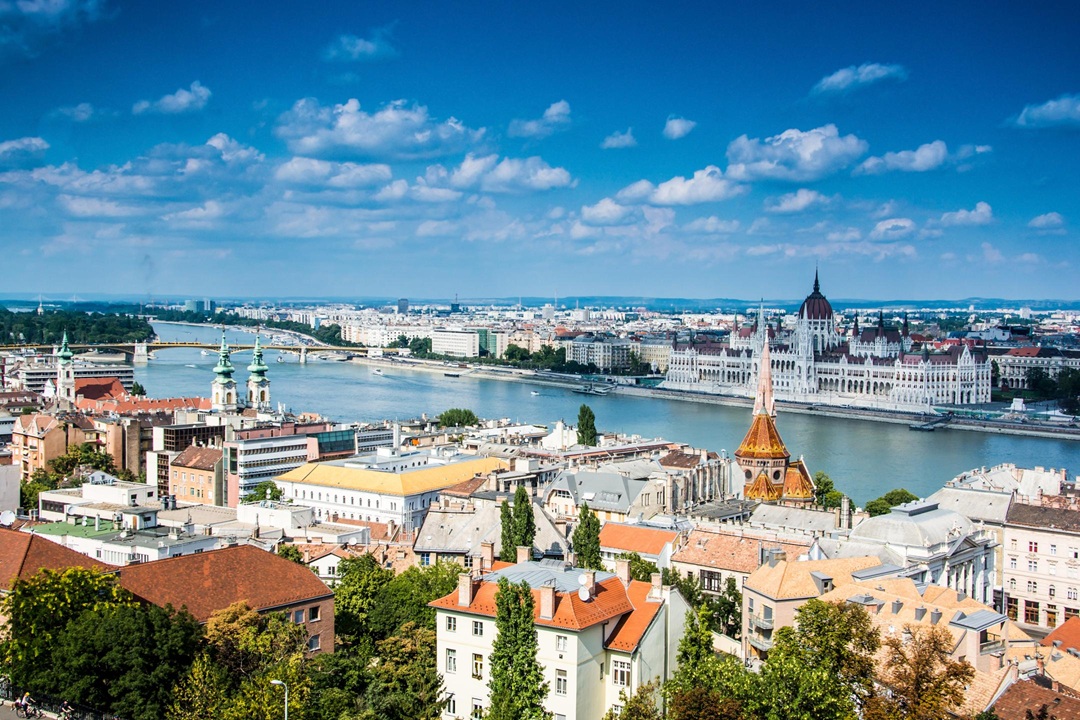
Hungary’s current Golden Visa framework, the Guest Investor Program, replaced the country’s earlier residency bond scheme, which closed in 2017. The new program focuses on investments that support the economy, with clear minimum thresholds for each route and strict due diligence on applicants’ source of funds. These rules are intended to attract serious investors who contribute to Hungary’s economy.
Applications are processed by Hungary’s immigration authority, and much of the process can be handled online, including submission and tracking. Using official channels and experienced advisors helps ensure that communication with the authorities is clear and that all documents meet the requirements.
Investors must keep their qualifying investment in place for the required period to maintain their permit. Guest investor residence permits are issued for up to 10 years and can be extended once for another 10 years if the conditions are still met.
Who Is Eligible for the Hungary Golden Visa?
The Golden Visa is available to any non-EU, non-EEA, or non-Swiss national who meets the legal, financial, and background criteria established by the Hungarian government. Applicants must be at least 18 years old, hold a valid passport, and be capable of making the required investment with legally sourced funds. In addition, applicants must not have a criminal record and must be in good general health. These requirements are designed to ensure that only qualified, law-abiding, and financially independent individuals participate in the program.
One of the program’s strengths is its inclusivity of immediate family members. Spouses and dependent children under 18 (and in certain cases over 18, if financially dependent or enrolled in full-time education) can be included in the main application. These dependents will receive the same residency rights as the primary applicant, allowing families to relocate together under a single application.
There is no Hungarian language requirement or minimum educational qualification for applicants. However, those who later wish to apply for long-term residence or citizenship through other routes must meet additional criteria, including exams in Hungarian. The Golden Visa generally does not require full-time or minimum residence in Hungary.
Investment Options for Hungary Golden Visa
Hungary offers three investment options under the Guest Investor Program: purchasing investment units in a qualifying real estate fund, buying residential property, or making a donation to a higher education institution. Each option suits a different investor profile, from passive fund investors to buyers who want a tangible property. Choosing the right route depends on your financial goals and long-term plans in Hungary.
The real estate fund option requires an investment of at least €250,000 in investment units of a real estate fund registered with the Hungarian National Bank, which must generally be held for at least five years. Alternatively, investors can buy residential property in Hungary worth at least €500,000. Property owners may benefit from potential appreciation, and proof of ownership and payment is required with the application.
The third option is a donation of at least €1,000,000 to a public-interest trust that supports higher education institutions in Hungary. This contribution is non-refundable, but it offers a passive route to residence for investors who do not wish to hold property or fund units.
Entrepreneurs who want to launch or expand a company in Hungary are not covered by the Guest Investor Program itself, but they may be able to apply for other residence permits, for example for self-employment or business activity, which require a business plan and proof of sufficient funds and are subject to separate rules.
Minimum Investment Amount and Fees
Each investment route has a minimum threshold, and investors must also budget for government and legal fees. Real estate fund investments start at €250,000, residential property purchases at €500,000, and donations to higher education at €1,000,000. These minimums reflect Hungary’s aim of attracting long-term investors.
Beyond the core investment, applicants should budget for processing fees, legal representation, document translation, tax advice, and notarization. These costs vary depending on the complexity of the case and the number of family members included. Calculate your total commitment in advance and make sure your funds are legally sourced and readily accessible, as financial verification is a core part of the review.
Legal and administrative fees are non-refundable regardless of the outcome of the application. Therefore, most investors choose to work with professional immigration advisors or legal firms who can ensure that all documents are in order and that the investment process is compliant with current Hungarian laws and regulations.
Step-by-Step Process: How to Apply for Hungary’s Golden Visa

Applying for the Hungary Golden Visa involves a multi-phase process that requires careful planning, complete documentation, and legal compliance. While the application process is straightforward in theory, it demands accuracy at each step to avoid delays or rejection. Below is a complete explanation of each stage involved in the process.
The first step is choosing the right investment route. Whether you choose a real estate fund, residential property, or a donation, your decision should match your financial goals. It is strongly recommended to consult a qualified immigration advisor or attorney at this stage to evaluate your goals, identify eligible opportunities, and explain the legal requirements.
The second step is preparing the necessary documents, including a valid passport, proof of funds, a criminal record certificate, health insurance, and documentation of the investment. Documents may need to be translated and certified. You must also show that the investment funds come from legitimate sources, such as savings, business income, or inheritance, with bank records to support this.
The third step is submitting your application to Hungary’s immigration authority (the National Directorate-General for Aliens Policing), which can be done through the official channels, including online. At this stage, the completed application form, supporting documents, and proof of the investment or investment commitment must be provided. Incomplete applications can be refused or delayed.
The fourth step is providing biometric data, such as fingerprints and a photograph, as required. You may also be asked to present original documents, so bring all relevant paperwork and follow the procedural requirements.
The fifth step is receiving your residence permit. Guest investor residence permits are issued for up to 10 years, allowing you to live legally in Hungary and travel within the Schengen Area under the usual short-stay rules.
The final step is maintaining your investment and complying with the permit conditions. To keep your status valid, you must keep the qualifying investment for the required period and meet the conditions for extension. The permit can be extended once for another 10 years; long-term residence and citizenship are subject to separate rules and requirements.
Required Documents and Legal Criteria
Submitting complete and accurate documentation is the most critical part of the Hungary Golden Visa process. The authorities are strict about verifying each applicant’s identity, financial background, and legal standing. Submitting even a single incomplete or poorly translated document can lead to significant delays or even outright rejection of the application.
Applicants must provide a valid passport with at least six months of remaining validity, recent passport-sized photographs, and a completed application form. Proof of investment commitment—such as property purchase agreements, fund transfer receipts, or business registration documents—is required. These must be backed by bank statements and legal ownership certificates.
One of the most scrutinized areas is the proof of the legal origin of investment funds. Applicants must submit documents showing the source of their capital, such as tax returns, employment contracts, business registration, inheritance records, or asset sale agreements. All financial documentation must clearly show that the funds were earned or acquired legally and are free of encumbrances.
Additionally, a clean criminal background check from the applicant’s home country and any country of residence in the last five years is mandatory. This must be an official document, usually issued by a government agency, and must be apostilled or legalized, depending on the country of issuance. Health insurance valid in Hungary for the entire duration of residency is also a requirement, and it must cover emergency medical treatment and hospital care.
For family applications, marriage and birth certificates must be submitted and legalized. These should prove the relationship between the main applicant and the dependents. If adult children or elderly parents are included, additional proof of dependency, such as shared financial records or medical conditions, may be required.
How Long Does It Take to Get the Hungary Golden Visa
Processing times vary depending on the investment route, the completeness of the documentation, and how quickly the applicant responds to requests for additional information. Many applications are decided within a few months of submission, but timelines are not guaranteed.
The initial phase—document collection and investment execution—can take several weeks, particularly if legal translations or apostilles are needed. Once the full application is submitted, Hungarian immigration authorities begin reviewing the documentation, conducting background checks, and verifying the source of funds. Delays often occur if the applicant submits incomplete or inconsistent documents, which is why working with a legal advisor is highly recommended.
Once biometrics and final checks are complete, the residence permit is issued. Applicants should avoid planning travel that depends on the permit until it has been issued, as processing can vary due to administrative backlogs or holidays.
Can You Bring Your Family? Residency for Spouse and Children
One of the most appealing features of the Hungary Golden Visa is the ability to include immediate family members in a single application. This allows families to relocate together and share the benefits of residency without each member needing to make a separate investment.
Spouses and minor children are generally eligible as dependents, provided the relationship is legally documented through marriage or birth certificates. These documents must be officially translated and legalized or apostilled, depending on the country of origin. Other dependents may be included in some cases, subject to additional documentation.
Family members granted residence can live and study in Hungary. If they wish to work, they may need a separate permit. The family’s status is generally linked to the main applicant’s investment and permit, so changes to the investment may affect all related residence permits.
Family members’ permits generally follow the duration and conditions of the main applicant’s permit. Long-term residence and citizenship for family members are subject to the general rules and requirements.
What Are the Benefits of the Hungary Golden Visa
The Hungary Golden Visa offers a range of benefits that make it one of the more competitive residency-by-investment programs in Europe. Chief among these is the right to live legally in Hungary and to travel within the Schengen Area for short stays. This mobility is a major advantage for business people, investors, and families with international lifestyles.
Hungary generally does not impose a minimum stay requirement on guest investors, so you do not need to live there full-time. This flexibility is particularly valuable for people who divide their time between several countries or manage international businesses.
Residents can access healthcare and education, including international schools, and enjoy a relatively affordable cost of living compared with Western Europe. Hungary also has a rich cultural heritage, modern infrastructure, and a good transport network, and real estate prices remain competitive compared with many Western European capitals.
Finally, living in Hungary can be a first step toward a long-term future in Europe, although permanent residence and citizenship are subject to separate legal requirements and are not granted automatically through the Golden Visa.
How to Maintain and Renew Your Golden Visa
Maintaining your Hungary Golden Visa requires ongoing compliance with the terms of your investment and permit. Investors must keep their qualifying investment for the required period, for example at least five years for real estate fund units. Selling or withdrawing the investment early may result in loss of residence status.
Unlike many other programs, the Guest Investor Program generally has no minimum stay requirement, but permit holders must still comply with all reporting and address registration obligations.
Guest investor permits are issued for up to 10 years and can be extended once for another 10 years. The extension involves submitting updated documents confirming that the investment is still in place, together with valid health insurance. Investors may also be asked to provide additional financial or tax documents.
Missing an extension deadline or failing to meet the permit conditions may result in fines or loss of residence status. To avoid complications, many investors work with legal advisors who handle extensions and communication with the immigration authorities.
Path to Permanent Residency and Hungarian Citizenship
Holders of a guest investor permit enjoy secure, long-term residence rights in Hungary. Those who wish to obtain long-term (permanent) residence or citizenship must meet the separate requirements set out in Hungarian law, which can include minimum residence periods and exams in Hungarian, so it is important to check eligibility with a qualified advisor.
Hungarian citizenship by naturalization generally requires at least eight years of continuous residence in Hungary, a clean criminal record, a secure livelihood and accommodation, and passing an exam on constitutional studies in Hungarian.
Successful applicants receive Hungarian citizenship and can apply for a Hungarian passport, which gives EU citizenship rights, including the right to live, work, and travel freely across all 27 EU member states.
For many investors, long-term residence in Hungary is the main attraction, and for those who meet the legal requirements over time, citizenship can open further opportunities in the European Union.
Hungary Golden Visa vs. Other EU Residency Programs
Compared with other European residency-by-investment programs, such as those in Portugal and Greece, the Hungary Golden Visa stands out for its long permit validity and flexible presence rules. (Spain closed its Golden Visa program to new applicants in April 2025.) The absence of a minimum stay requirement makes it suitable for frequent travelers and part-time residents.
Investment minimums are competitive, particularly for the real estate fund option, and the cost of living in Hungary is generally lower than in Portugal or Greece. For families and retirees, this can mean more value for their money.
Furthermore, Hungary’s central location in Europe makes it an ideal base for travel and business. The country has modern infrastructure, a stable economy, and excellent access to both Eastern and Western European markets. While it may lack the coastal allure of the Mediterranean, it compensates with cultural richness, historical architecture, and a strong quality-of-life index.
Common Mistakes and How to Avoid Rejection
The most common reasons for Hungary Golden Visa rejections include incomplete documentation, unclear source of funds, and administrative errors in the application. Many applicants underestimate the importance of document translation, notarization, and consistency in financial records. Even small discrepancies between bank statements and investment documents can trigger red flags.
Some applicants attempt to cut corners by working with unlicensed consultants or agents, resulting in misinformation, delays, or outright fraud. Others fail to budget properly for legal and administrative costs, which can cause unexpected problems during the application process. Errors in renewing residency cards or visiting Hungary annually can also result in a loss of status.
To avoid these issues, applicants should use qualified immigration attorneys or firms and refer directly to Hungary’s official immigration portal. They should also double-check all submissions for completeness and accuracy, and keep proper records of their investment and legal documents for future checks or extensions.
Final Thoughts: Is the Hungary Golden Visa Worth It?
Hungary’s Golden Visa is one of the more attractive residency-by-investment programs in Europe. With long-term permits and flexible presence rules, it offers investors a stable entry point into the heart of Europe. The investment requirements are competitive, and the program suits both property buyers and passive investors.
For families, retirees, and entrepreneurs, the benefits of living in Hungary, including a relatively affordable lifestyle, safety, access to EU markets, and cultural richness, can make the program well worth considering. As long as applicants comply with the rules, maintain their investments, and handle extensions properly, the Hungary Golden Visa can be a smart choice for global mobility.


