
Introduction
Vanuatu is an archipelago in the South Pacific that has become an increasingly popular destination for people who want to immigrate. With its beautiful beaches, lush landscapes, and friendly communities, Vanuatu offers an idyllic environment for individuals and families looking to escape the fast pace of larger cities. It particularly appeals to retirees, investors, and those seeking a second citizenship or a peaceful place to relocate.
The country’s immigration options cover a wide range of needs, from its citizenship by investment (CBI) program to residence permits and business opportunities. The CBI program has attracted international attention because of its relatively fast processing times and benefits such as visa-free or visa-on-arrival travel to around 90 destinations and a tax-friendly environment.
For those not seeking citizenship immediately, Vanuatu also offers residence permits, which may be granted on the basis of employment, investment, or financial self-sufficiency. Whether you want to live there permanently or have a second home, Vanuatu offers several pathways to make the move.
In this guide, we explain the immigration process step by step, including the main immigration routes, the documents needed, costs, and the benefits of living in this tropical country. Whether your goal is a tranquil island lifestyle or a strategic business investment, Vanuatu has much to offer.
Immigration Pathways
Immigrate to Vanuatu: Your Path to a New Life
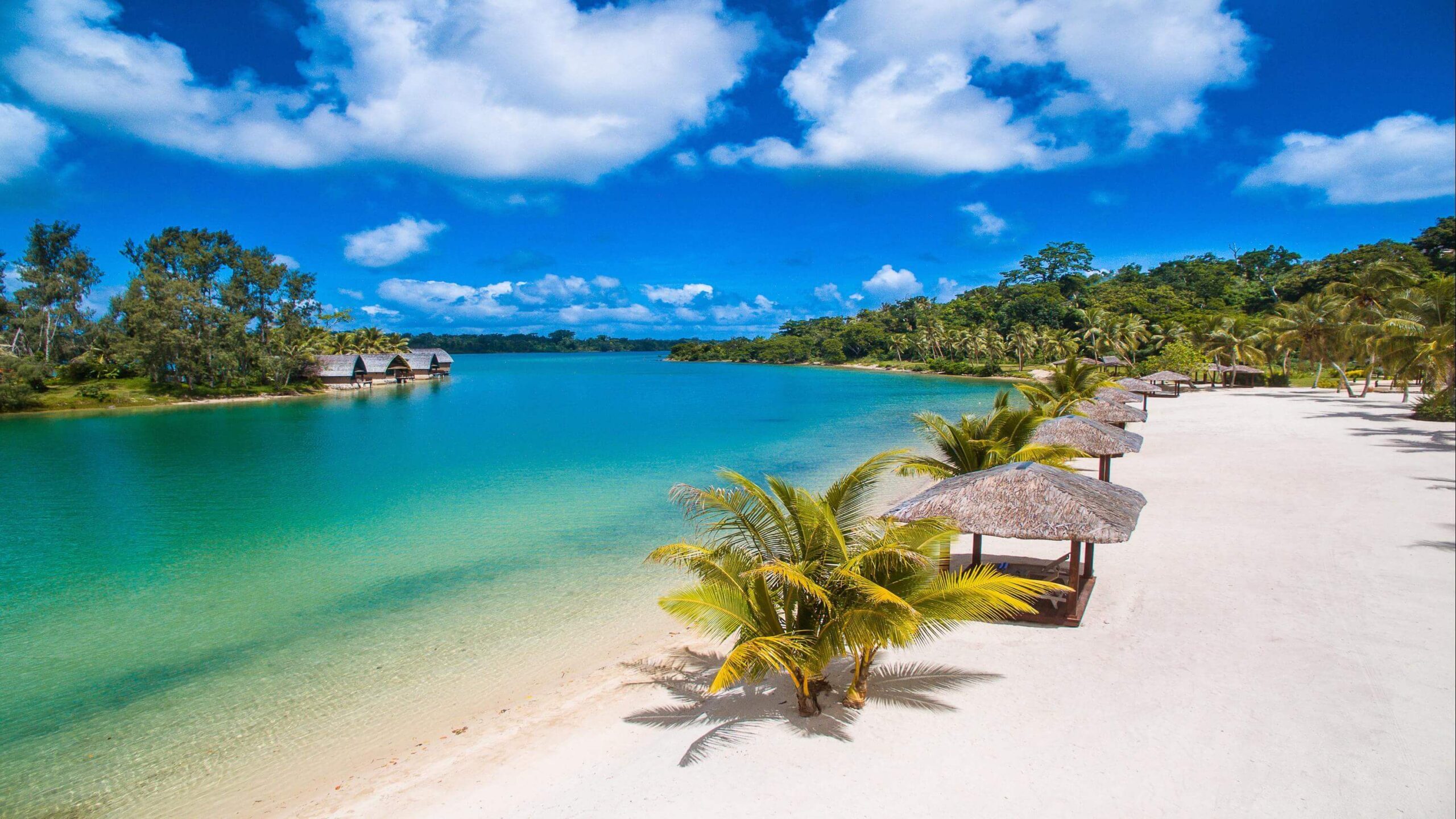
There are several interesting immigration routes for people who would like to live in Vanuatu, a peaceful South Pacific nation. The best known is the Citizenship by Investment Program, which offers full citizenship in exchange for a non-refundable contribution under the Development Support Program. The program offers visa-free or visa-on-arrival access to around 90 destinations and a low-tax lifestyle, and applications are commonly processed within about two to three months. The minimum contribution for a single applicant is around US$130,000, with additional amounts for dependents, plus fees.
Others come simply to enjoy life in Vanuatu or for reasons other than citizenship. For them, Vanuatu offers residence permits that may be granted for varying periods and renewed, based on employment, investment, or financial self-sufficiency. Longer-term residence options can give holders more secure status and access to local services such as healthcare and education.
Vanuatu also attracts business owners and entrepreneurs. Investors engaged in approved business activities may be eligible for residence and work permits, allowing them to benefit from the country’s low-tax regime and business climate. Demand for skilled workers in sectors such as tourism, agriculture, and construction also creates opportunities for job seekers.
Families who want to immigrate together can include eligible dependents, such as a spouse and children, in their application. This makes it easier for families to settle in the country together, whether they are applying for citizenship or residence. This flexibility makes Vanuatu an appealing choice for those relocating with loved ones.
Citizenship by Investment (CBI)
The fastest route to citizenship of the Republic of Vanuatu is the CBI program. It is aimed at high-net-worth individuals who want a second passport in return for a contribution toward the country’s socio-economic development. The program offers several advantages: visa-free or visa-on-arrival travel to around 90 destinations, such as Singapore and Hong Kong, and a low-tax environment with no personal income tax, capital gains tax, or inheritance tax. Note, however, that Vanuatu passport holders now need a visa for the Schengen Area, after the EU suspended visa-free travel for Vanuatu nationals, and for the United Kingdom, which introduced a visa requirement in July 2023.
The application requires a non-refundable contribution under the Development Support Program of about US$130,000 for a single applicant, with higher amounts for dependents. Processing is relatively fast compared with many other programs and commonly takes around two to three months, subject to due diligence. This makes it a popular route for globally mobile business people and those seeking a peaceful, low-tax lifestyle.
Residence Permits
For those who want to live in Vanuatu without acquiring citizenship right away, Vanuatu offers different types of residence permits. These are usually granted for a set period depending on the applicant’s circumstances and can be renewed. Residence can generally be obtained through work, investment, or proof of financial self-sufficiency.
Longer-term residence status usually requires showing a long-term commitment to the country, which may include owning a business, holding investments, or maintaining a home there. Applicants who contribute to the economy or have family ties in the country are generally in a stronger position. Requirements and processing times depend on the permit type, so it is advisable to check the current rules with the Vanuatu immigration authorities.
Employment Opportunities
Vanuatu’s economy is developing, and foreign nationals can contribute in several areas. Key sectors include tourism, agriculture, and construction, and hotels, farming, and infrastructure projects often need skilled workers as the government invests in sustainable growth. To work in Vanuatu, you will need a work permit, which generally requires a job offer from a local employer.
For investors and business people, Vanuatu offers a supportive environment. The country’s low-tax regime and relatively simple procedures make it attractive for setting up a new company. Investors actively involved in a business may apply for work and residence permits, which generally requires proof of the company’s registration, foreign investment approval where applicable, and compliance with local laws. With Vanuatu’s focus on attracting international business, entrepreneurs can find opportunities to contribute to the economy while enjoying a low-tax environment.
Family Immigration
Another advantage of Vanuatu citizenship is that applicants can include family members, making it easier for those who want to relocate with their families. Eligible family members typically include a spouse, dependent children, and in some cases dependent parents, subject to the program’s age and dependency rules. This makes Vanuatu a good destination for families seeking a peaceful lifestyle and economic benefits together.
Family members included in a citizenship or residence application generally receive the same status as the main applicant. Vanuatu’s relaxed atmosphere and community-based lifestyle also make it a good place for families to settle in a safe, tropical setting.
Requirements and Documentation
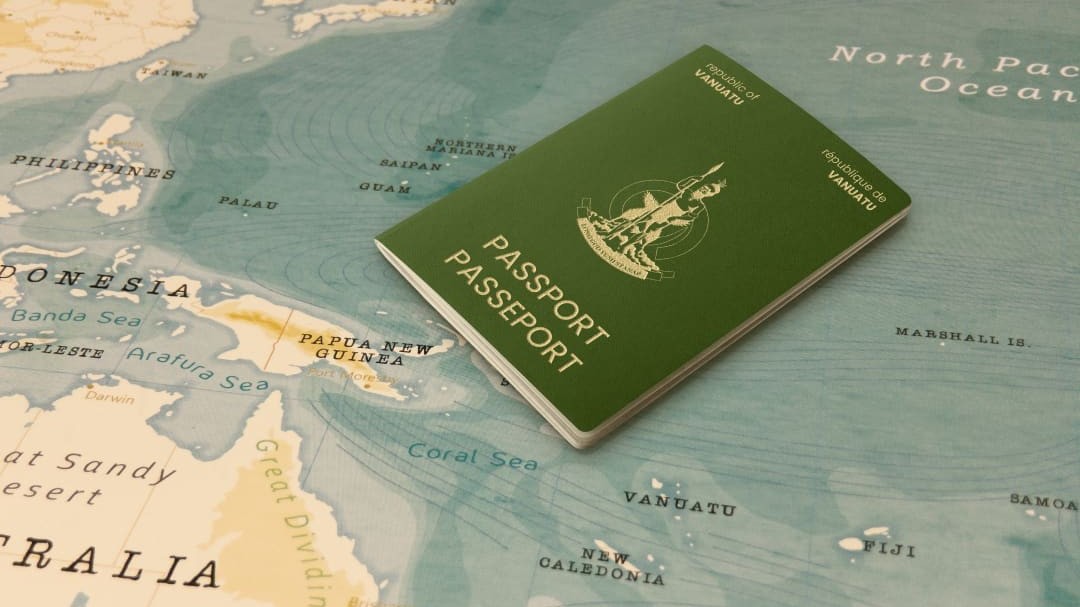
The documents required depend on the immigration route, but all applicants normally need to show proof of identity, financial stability, and a clean criminal record. For the Citizenship by Investment program, the required documents typically include a valid passport, birth certificate, police clearance certificates, medical records, and proof of funds. Applicants also undergo background checks, including verification of the source of funds, and must provide biometrics.
Applicants for residence permits need similar documents, along with proof of employment, business ownership, or sufficient funds to support themselves during their stay. CBI applications are usually processed relatively quickly, commonly within about two to three months, while processing times for residence permits vary depending on the applicant’s situation and the permit type. Collect all required documents well in advance to avoid last-minute rushes, and budget for government fees, legal assistance, and medical exams.
Living in Vanuatu
Vanuatu offers a special, serene tropical lifestyle. The general cost of living is moderate, but some goods and services cost more because of the country’s geographic isolation. Basic living costs, such as local food, utilities, and transportation, can be reasonable, especially if you buy locally grown produce. Imported goods, particularly electronics, luxury items, and some foods, are much more expensive.
Housing costs vary depending on the location and type of property. In Port Vila, the capital, a one-bedroom apartment in the city center typically rents for around US$700 to US$1,500 per month. Larger properties or homes in more exclusive areas can cost US$3,000 to US$5,000 per month. Outside the city, rents can be considerably lower, starting from around US$500 per month for modest accommodation.
Utilities such as electricity, water, and internet can be more expensive than in larger countries because of Vanuatu’s location. Electricity typically costs around US$100 to US$250 per month, depending on usage and air conditioning. Water bills are generally affordable, averaging around US$30 to US$50 per month, while a standard internet connection typically costs around US$80 to US$150 per month.
Healthcare in Vanuatu is provided by both public and private providers. Public healthcare is fairly basic but generally adequate for routine medical needs, while many expats prefer private healthcare, which is more comprehensive but more expensive. A private medical consultation typically costs around US$50 to US$100. For more complex treatment, many expats travel to nearby countries such as Australia, since local facilities cannot treat all conditions.
Vanuatu has both public and private schools. Public schooling is widely available, but many expatriates prefer private or international schools, many of which follow curricula based on the Australian, New Zealand, or French systems. Tuition at private international schools typically ranges from around US$2,000 to US$10,000 per year, depending on the school and grade level.
In general, while Vanuatu can be more expensive than some other Pacific countries because of its remoteness, it offers a tranquil, low-tax lifestyle in a beautiful natural environment. It can suit both budget-conscious residents who live simply and those seeking a more luxurious lifestyle or a quiet retirement.
Advantages of Immigration to Vanuatu
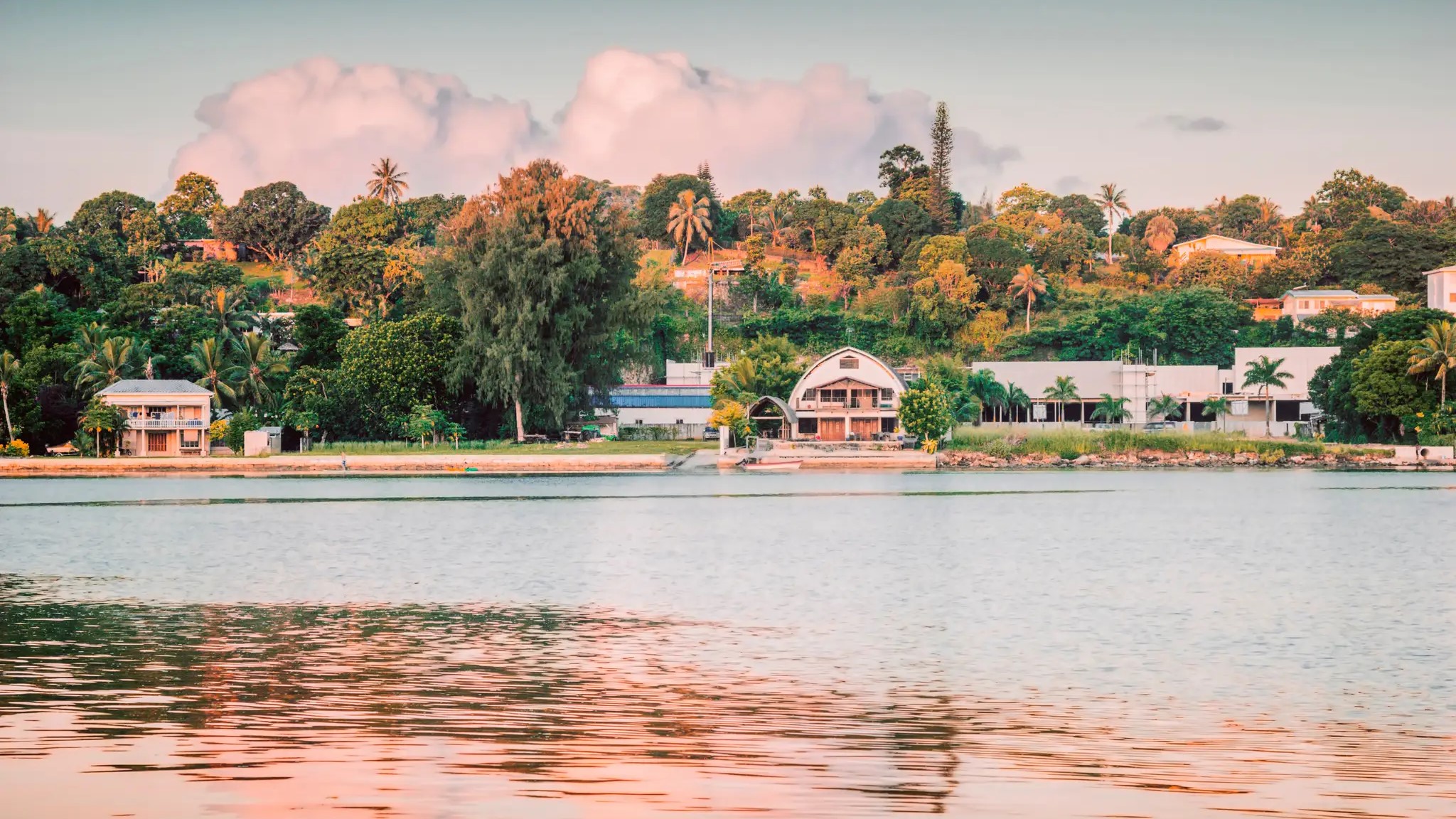
Vanuatu has much to offer immigrants, which is why it is popular with investors, retirees, and people looking for a new life in a tropical setting. One major advantage is its tax environment: there is no personal income tax, capital gains tax, or inheritance tax, which appeals to those looking to reduce their tax burden. This allows individuals and businesses to retain more of their income and wealth, making Vanuatu popular with investors and entrepreneurs. Tax treatment in your home country may still apply, so professional advice is recommended.
Another important benefit is dual citizenship. Vanuatu allows dual nationality, so applicants can hold another citizenship alongside Vanuatu citizenship, subject to the rules of their other country. This lets people keep ties to their country of origin while benefiting from Vanuatu’s mobility and tax advantages. Vanuatu citizens have visa-free or visa-on-arrival access to around 90 destinations, although visas are now required for the Schengen Area and the United Kingdom.
Vanuatu’s natural beauty is another major draw: beautiful beaches, lush forests, and vibrant marine life offer a relaxed, peaceful lifestyle. Whether you enjoy snorkeling, diving, hiking, or simply the natural surroundings, Vanuatu offers a slower pace of life. Island communities are close-knit, and expats generally find it easy to integrate and build lasting relationships.
Finally, there are entrepreneurship and investment opportunities in Vanuatu’s developing business environment. The country is attracting international businesses thanks to its low-tax, relatively low-regulation environment. Whether you plan to open a company or invest in real estate or agriculture, Vanuatu can offer favorable conditions and a peaceful lifestyle.
Tips for a Smooth Immigration Process
Immigrating to Vanuatu can be straightforward, but it requires preparation. One of the most important steps is consulting a reputable immigration consultant or legal advisor. Although the process is relatively simple, expert guidance on paperwork, legal requirements, and application procedures can help you avoid unnecessary delays or mistakes, and a professional can advise you on recent regulatory changes.
Another important tip is to prepare all required documents well in advance. These include your passport, proof of identity, police certificates, financial records, and medical checks, which are required for most immigration routes. Make sure all documents are current and meet the specific requirements of Vanuatu’s immigration authorities, as missing or incomplete documents will delay your application. If your documents are not in English or French, have them professionally translated.
It is also important to understand the timeline for each process. While CBI applications commonly take around two to three months, residence permits may take longer depending on individual circumstances. Allow time for background checks, medical tests, and government processing, and plan for possible delays.
Finally, be prepared for surprises. Applications can be delayed by additional background checks or high demand. Being patient and flexible, and responding promptly to any issues, will help the process run smoothly. It is useful to have a clear plan and know who to contact if obstacles arise.
Conclusion
Emigrating to Vanuatu offers the opportunity to live in a peaceful, tax-friendly environment surrounded by natural beauty. Whether you are seeking a second citizenship, retirement, or investment in a developing economy, Vanuatu’s immigration routes offer flexibility and significant advantages. From the relatively fast Citizenship by Investment program to residence options for long-term stays, Vanuatu provides accessible ways to build a new life.
No personal income tax, capital gains tax, or inheritance tax, together with the option of dual citizenship, make Vanuatu attractive to people seeking financial flexibility and a good quality of life. Its relaxed lifestyle and emerging business opportunities also make it appealing to entrepreneurs, retirees, and investors.
As a next step, research Vanuatu’s immigration options in depth, consult an immigration professional, and begin gathering your documents.


