

Often called the “Nature Island” of the Caribbean, Dominica has steadily grown in popularity with people looking to live abroad, retire, or simply relocate. With its green landscapes, rich biodiversity, and tranquility, it allows residents to enjoy a peaceful life in a beautiful natural setting. Dominica also remains one of the more affordable Caribbean options for citizenship by investment, which, together with its reasonable living prices, makes it popular with people who want to keep costs down without compromising on quality of life.
This guide covers living prices in Dominica, from housing and food to transportation, healthcare, and education. Whether you are planning to retire, start a business, or simply want a change of scenery, it provides practical insights to help you budget for life on the island. With its relatively affordable lifestyle and welcoming community, Dominica is a promising destination for newcomers who want to balance natural beauty with reasonable costs.
Understanding Living Prices in Dominica
Why Living in Dominica Might Be Ideal
Living in Dominica can offer stability, reasonable living costs, and a natural environment that supports personal and professional growth. The island combines relative economic stability, a pleasant tropical climate, and government initiatives to attract foreign investment. Notably, the Dominica Citizenship by Investment program has become a major incentive for newcomers, offering citizenship in exchange for a qualifying investment in the island’s development. It is of particular interest to high-net-worth individuals, entrepreneurs, and retirees seeking a tranquil Caribbean destination that still offers business opportunities and affordable living.
Understanding living prices in Dominica is crucial for effective budgeting and planning. The island’s relative affordability allows many residents to live comfortably without high expenses.
Dominica is an attractive option for retirees and people who want to live or work affordably without compromising quality of life, as its cost of living is lower than in most other Caribbean countries. The Dominica government has been promoting eco-tourism, with policies that encourage sustainability and environmental preservation. This focus creates long-term opportunities for tourism and eco-friendly investments. With its well-preserved environment, affordable living, and quiet lifestyle, Dominica can be an appealing place to call home.
Housing and Accommodation Costs
Renting in Dominica is competitively priced and relatively affordable for expatriates. A one-bedroom apartment in central Roseau, the capital, typically costs around $285 to $400 USD per month, while similar apartments in the countryside or on the outskirts of the city can be slightly cheaper, at around $220 to $300 USD. For more space, a three-bedroom apartment in Roseau costs roughly $800 to $1,350 USD per month, and rents in suburban or rural areas are generally lower.
For those interested in buying property, Dominica remains relatively affordable compared with neighboring Caribbean islands. Smaller plots of land in rural areas can be bought for about $50,000 USD, while beachfront properties or real estate in sought-after areas such as Portsmouth may cost $150,000 to $300,000 USD or more, depending on location and amenities.
Utility costs for electricity, water, and gas are around $100 to $150 USD per month for an average apartment of about 85 square meters. Internet typically costs about $50 to $65 USD per month, depending on the plan. These costs depend on your consumption, and on larger properties or with higher energy use they can exceed $200 USD a month.
Together with affordable housing and utilities, Dominica’s developing infrastructure makes it an attractive option for people considering a move for business, retirement, or a change of lifestyle.
Food and Grocery Costs
Food in Dominica is relatively affordable, although some goods can be pricier because the island relies on imports. On average, a single person can expect to spend between $200 USD and $400 USD per month on groceries, depending on consumption habits and shopping choices.
- Rice: around $2 to $3 USD per kilogram for standard brands, although prices may fluctuate with imports and availability.
- Milk: generally $1.50 to $3 USD per liter, with local brands at the lower end of the range.
- Chicken: a kilogram of fresh chicken costs between $6 and $8 USD, depending on the supplier and cut.
- Fresh fruits and vegetables: prices vary with the season and local availability, ranging from $1 to $5 USD per item. Common items like bananas and plantains tend to be at the lower end, while imported or organic produce can cost more.
- Eggs: a dozen eggs typically costs around $3.50 to $4.50 USD.
For those dining out, Dominica offers a range of affordable options:
- A meal at a budget restaurant can cost as little as $7 USD for a simple local dish such as stew chicken or fish with rice and vegetables.
- A three-course meal for two at a mid-range restaurant typically costs around $50 to $60 USD, depending on the restaurant and location.
- Local beer: a domestic beer such as Kubuli typically costs around $2 USD at a restaurant, which is affordable compared with other countries in the region.
These food and dining costs reflect Dominica’s affordable lifestyle, although imported goods can raise the price of certain items. The availability of fresh, locally grown produce helps budget-conscious residents eat well without overspending.
Transportation Costs

Public transportation in Dominica is available and inexpensive for both locals and expats. A single bus fare costs about $1 to $1.30 USD, which is very affordable for everyday use, and regular travelers may spend around $30 to $55 USD a month.
Taxis are also widely available. Fares are usually fixed or agreed in advance, so it is best to confirm the price before your trip. Within Roseau, shorter trips typically start at about $5 to $7 USD.
For those who want to own a vehicle, fuel costs are an important consideration. Gasoline cost about $5 USD per gallon in early 2026, reflecting the cost of imported fuel. Used vehicles typically range from $5,000 to $15,000 USD, depending on the make, model, and condition. Imported vehicles are also subject to significant customs duties and related charges, which can add considerably to the cost, especially for older vehicles.
Visitors or those needing a vehicle temporarily can rent a car. Rentals usually cost about $30 to $80 USD per day, depending on the type and size of the vehicle, the rental agency, and the rental period. Compact cars tend to be at the lower end of that range, while larger or higher-end vehicles cost more.
Healthcare Costs
Healthcare in Dominica is available through both public and private systems, with costs depending on the type of care. Public healthcare is widely available and relatively inexpensive, with a visit to a public health clinic typically costing about $10 to $20 USD. However, access to specialized treatment in the public sector is limited.
Private healthcare is available at a higher cost for those who want faster or more specialized care. Private doctor consultations typically cost $30 to $60 USD per visit, and dental consultations $40 to $80 USD. Although more expensive, private care usually offers shorter wait times and more advanced services.
Many expatriates in Dominica take out private health insurance, with monthly premiums typically ranging from $100 to $300 USD. This covers private medical services and can provide access to international facilities for specialized treatment. Many residents travel to nearby countries, such as Barbados, or further afield for procedures not available on the island.
Education Costs
In Dominica, public education is free for school-age children, although families pay for uniforms, books, and other supplies. These costs are relatively small, but parents should still budget for them.
Private schooling is another option, with tuition typically ranging from $2,000 to $5,000 USD per year. Costs depend on the school and grade, and schools aimed at expatriates tend to be at the higher end of that range. Some schools offering international-style programs can be found in and around Roseau.
Higher education options include the University of the West Indies, with regional students typically paying around $2,000 to $5,000 USD a year depending on the program. Many expatriates pursue higher education through online courses or universities in nearby countries that offer more specialized programs, giving them access to a wider range of courses and price points.
Entertainment and Leisure Costs
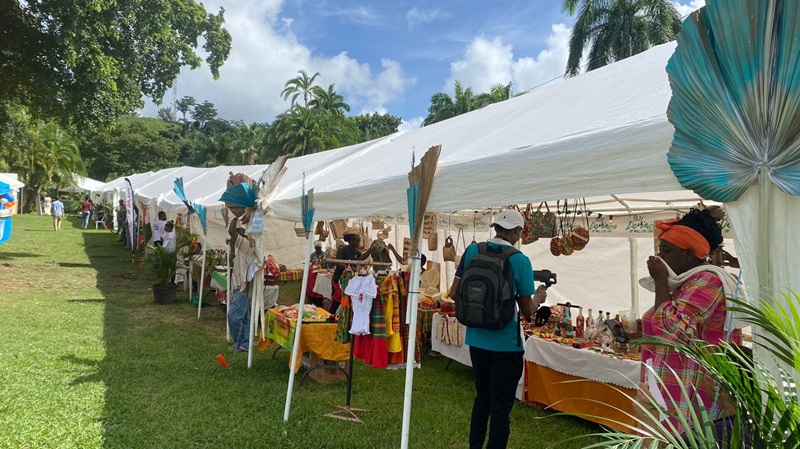
Dominica is a haven for outdoor enthusiasts, with activities such as hiking, eco-tours, and diving at the heart of the island’s tourism industry. Nature walks and guided eco-tours generally cost $30 to $100 USD per person, depending on length and type. A single scuba dive usually costs $50 to $100 USD.
Casual restaurants are affordable, with a meal typically costing $10 to $20 USD per person. For nightlife or local entertainment events, entry fees or drinks can cost $15 to $30 USD. Dominica’s natural environment also offers many low-cost or free activities, such as hiking trails, beaches, and eco-tourism sites, so leisure does not have to strain your budget.
Miscellaneous Costs
Personal care services are fairly inexpensive in Dominica: haircuts and manicures typically cost $10 to $30 USD, depending on the provider and treatment. Home services, such as cleaning or dry cleaning, generally cost $20 to $50 USD per service.
Basic mobile phone plans start at around $20 to $40 USD per month, with higher prices for more data or premium plans. High-speed broadband typically costs $50 to $100 USD a month, depending on speed and provider. These costs keep miscellaneous expenses manageable.
Conclusion
Dominica is relatively affordable compared with other Caribbean islands and is an attractive destination for expatriates, retirees, and anyone seeking a relaxed lifestyle. Housing, food, and transportation costs remain within reach for many people, and relatively affordable healthcare and education add to the value of living there. The island’s natural beauty and quiet environment, from rainforests to unspoiled beaches, appeal to those who want a slower pace of life.
With good planning and budgeting, newcomers can enjoy a comfortable and enriching life in Dominica without undue financial stress. Whether you are moving to work, retire, or change your lifestyle, the island offers plenty of opportunities to unwind and grow. Keep in mind that prices for imported goods can fluctuate and that private healthcare and education can add to family expenses. Local experts or relocation services can provide an overview of living costs and help make your transition to life in Dominica easier.


