
Turkey, located at the crossroads of Europe and Asia, has long been a popular destination for expatriates, retirees, digital nomads, and professionals. Its unique position connects two continents and brings together a rich fusion of cultural influences spanning millennia. From the vibrant pulse of Istanbul, which blends Byzantine and Ottoman traditions, to the serene Mediterranean coast, where a relaxed pace of life contrasts with busy urban centers, Turkey offers a multifaceted lifestyle for those who want to experience both history and modernity.
Turkey continues to draw people from all over the world, whether they are seeking a more affordable living environment, diverse landscapes, or the warmth of Turkish hospitality. With a lower cost of living than many Western countries, a vibrant mix of traditional and contemporary culture, and established routes for foreign residents to settle, Turkey remains an attractive option for those looking to relocate.
However, it is also important to consider the cons of living in Turkey, such as economic fluctuations, bureaucracy, and language barriers, which can affect the expatriate experience. Understanding both sides is essential for making an informed decision about relocation.
Pros of Living in Turkey
Affordable Cost of Living
Living in Turkey can be considerably more affordable than living in major Western countries. For many expatriates, retirees, and remote workers, a lower cost of living means they can maintain a comfortable lifestyle while spending less on essentials, leisure, and housing.
- Housing and Rent: Renting in Turkey is generally much cheaper than in Western countries like the UK, the US, or France. In cities like Istanbul, Izmir, and Antalya, you can rent apartments in central locations for a fraction of what you would pay in London or Paris. For example, a one-bedroom apartment in central Istanbul typically costs around 30,000–50,000 Turkish lira (TRY) per month, while a similar apartment in London can cost upwards of £2,000. Rents can be lower in smaller towns, which is why places like Fethiye are popular with retirees and those seeking a quieter, budget-friendly lifestyle, although popular resort areas such as Bodrum can be expensive.
- Groceries and Dining Out: Everyday necessities are generally inexpensive compared with Western countries. A shopping trip for basics like fruit, vegetables, meat, dairy, and grains typically costs much less than in cities like New York or Paris. Dining out is also affordable, with a meal at an inexpensive restaurant costing around TRY 500 and a mid-range meal for two around TRY 2,500. Local specialties like kebabs or pide (Turkish flatbread pizza) and street food such as simit (sesame bread rings) make it easy to enjoy Turkish cuisine on a budget. Note that prices in lira change frequently because of inflation.
- Transportation: Public transportation in Turkey’s major cities is extensive, efficient, and affordable. Istanbul and Ankara have metros, trams, buses, and (in Istanbul) ferries that cost a fraction of transport prices in major European cities. A single public transport journey in Istanbul costs around TRY 40, compared with about £3 for a similar journey in London. Because of frequent traffic congestion in major cities, public transportation is the preferred option for many residents.
Beautiful Natural Environment and Scenic Locations
Turkey’s diverse geography makes it a great destination for nature lovers. Whether you prefer beaches, mountains, lakes, or caves, Turkey offers a wide variety of landscapes. Its range of climates and ecosystems makes it an excellent location for anyone who enjoys the outdoors.
- Coastlines and Beaches: Turkey’s Mediterranean and Aegean coastlines, often called the “Turkish Riviera,” are famous for their beauty. With clear waters, idyllic beaches, and charming coastal towns, the region is a haven for sun-seekers. Bodrum, Marmaris, and Fethiye combine modern amenities with seaside views, making them well suited to a relaxed lifestyle. Kaş and Antalya offer a mix of coastal tranquility and access to historical landmarks, while places like Patara and Kekova offer unspoiled beaches. Whether you enjoy water sports, swimming, or simply relaxing in the sun, these areas are ideal for an outdoor lifestyle.
- Mountains and Lakes: Turkey’s interior is just as impressive. The Central Anatolian Plateau and regions like Cappadocia, with its surreal fairy chimneys and cave dwellings, offer hiking, hot air balloon rides, and exploration. Lake Van in the east and the cool, green highlands of the Black Sea region offer completely different landscapes, with lush greenery, serene lakes, and opportunities for nature walks. These regions are perfect for people who enjoy an active lifestyle surrounded by natural beauty.
- Climate: Coastal regions have a Mediterranean climate with warm, dry summers and mild winters, which attracts expatriates seeking plenty of sunshine. Inland regions, such as Cappadocia and the Anatolian Plateau, have more pronounced seasons, with hot summers and snowy winters. This variety allows expatriates to choose a region that suits their preferences.
Rich Culture and History
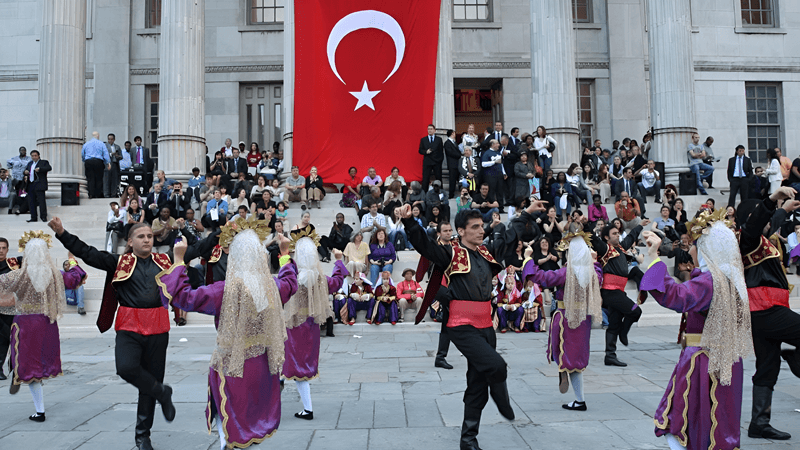
One of the most attractive aspects of living in Turkey is the chance to immerse yourself in a culture rich in history and diverse traditions. Turkey’s location has made it a crossroads of civilizations for centuries, and this fusion is visible in daily life, architecture, and social customs.
- Historical Sites and Landmarks: Turkey is home to many historical landmarks, including numerous UNESCO World Heritage Sites. From the ruins of ancient Ephesus and the rock formations of Cappadocia to the Hagia Sophia and the Temple of Apollo at Didyma, history is woven into daily life. History enthusiasts can also explore the ruins of Troy or ancient sites in the southeast, such as Harran and Şanlıurfa.
- Cultural Fusion: Turkish culture blends Eastern and Western traditions. The country has inherited elements of its Ottoman and Byzantine past, combined with influences from Central Asia, the Middle East, and Europe. This fusion shows in experiences ranging from Istanbul’s mosques and palaces to lively bazaars such as the Grand Bazaar, where merchants sell spices, textiles, and jewelry. Events such as the Istanbul Film Festival and local folk celebrations give expatriates a chance to engage with both contemporary and traditional Turkish culture.
- Cuisine: Turkish cuisine is celebrated worldwide for its richness and variety, and dishes differ greatly from region to region. In the west, you will find Mediterranean-influenced, olive oil-based dishes, while in the east, meat and spices take center stage. Signature dishes include kebabs, mezes (small appetizers), köfte (meatballs), baklava (sweet pastry), and Turkish delight. For expatriates, exploring the local food culture is an exciting part of living in Turkey, and street vendors offer affordable snacks such as simit and gözleme (savory flatbreads).
Healthcare System
Turkey has invested significantly in its healthcare system in recent years, and it is widely regarded as one of the stronger systems in the region. Expats can access good-quality medical services at a fraction of the cost in many Western countries, which makes Turkey attractive to those concerned about healthcare costs.
- Affordable Healthcare: Healthcare costs in Turkey are generally much lower than in countries like the US, Canada, or the UK, and expats can often access quality care for a fraction of what they would pay at home. Private healthcare providers offer competitive prices, making specialized treatment and private hospital care more accessible to expats.
- Medical Facilities: Turkey has a growing number of modern hospitals, particularly in cities like Istanbul, Ankara, and Izmir. Many are equipped with modern medical technology and hold internationally recognized accreditations, and many cater to international patients with English-speaking staff, making it easier for expatriates to navigate the system.
- Health Insurance: Health insurance is widely available, and valid health insurance is generally required for a residence permit. Many expats choose private insurance, which can provide comprehensive coverage, including access to private hospitals and specialists. Foreign residents may also be able to join the public General Health Insurance scheme (SGK), typically after a period of legal residence, although many expats prefer private insurance for its broader scope and quicker access to care.
Visa and Residency Opportunities
Turkey offers several established routes for expatriates who want to settle long term.
- Residence Permits: Turkey offers several pathways to a residence permit, one of the most common being property ownership. Since October 2023, foreigners generally need to own property worth at least US$200,000 to apply for a residence permit on this basis. Work and student permits are also available for those taking up employment or academic opportunities in Turkey, and these can often be extended.
- Citizenship by Investment: For those who wish to obtain Turkish citizenship, the Turkey Citizenship by Investment program is a well-known option. Eligible applicants may acquire Turkish citizenship by purchasing property worth at least US$400,000 and holding it for at least three years, or through other qualifying investments, which generally start at US$500,000. Applications remain subject to eligibility checks and government approval.
- Other Visas and Permits: Turkey offers various options for expatriates, including work permits, student permits, and short-term residence permits for purposes such as tourism. Work permits are available for foreign professionals, particularly in fields such as education, technology, and tourism. Tourist visas and visa-free stays are generally limited to 90 days within any 180-day period, so those who want to stay longer usually need to apply for a short-term residence permit.
Vibrant Expat Community
Turkey is home to a large and growing expatriate community, particularly in major cities and popular coastal destinations. This community offers a supportive network that can make the transition to life in Turkey easier.
- Social Integration: In cities like Istanbul, Izmir, and Antalya, expatriates can find active social networks and meet like-minded people through online forums, meet-up groups, and social events. Turkish people are known for their warmth and hospitality, which helps expatriates feel welcome in local communities.
- Support for Newcomers: Many services are available for expatriates, including language schools, legal advisors, and relocation consultants who help new arrivals with the practicalities of life in Turkey. Expats can also take part in cultural exchange programs to learn more about Turkish customs and traditions while sharing their own.
Cons of Living in Turkey
Language Barrier
Although English is spoken in major cities and tourist areas, the language barrier remains one of the most common challenges for expatriates, particularly in less urbanized areas or when dealing with Turkish institutions.
- Limited English Proficiency in Rural Areas: In smaller towns, villages, or regions that do not rely on tourism, English may not be widely understood. This can make everyday activities such as shopping, dining, or chatting with locals more difficult. For instance, you may find it hard to explain specific needs at a local market. While younger people in urban centers often speak English, older people or those in rural areas may only be comfortable communicating in Turkish.
- Bureaucratic Processes: Many official procedures, such as applying for a residence permit, signing contracts, or handling taxes, are conducted mainly in Turkish. Government offices may not offer services in English, and forms, documentation, or legal terminology can be overwhelming for expats who are not fluent. As a result, many expats hire translators or legal advisors, which adds to relocation costs.
- Cultural Differences in Communication: Communication styles in Turkey can differ significantly from those in Western countries. While directness is often preferred in many Western cultures, communication in Turkey can be more indirect and polite, especially in formal or business contexts. Expats unfamiliar with these nuances may misinterpret intentions in professional or personal settings.
Bureaucracy and Administrative Challenges
Navigating Turkey’s bureaucracy can be time-consuming and frustrating, particularly for newcomers unfamiliar with local systems. Despite improvements in recent years, administrative processes can still be complex and slow.
- Slow Processing Times: Obtaining permits or other legal documents can take time. Expats applying for a residence permit, work permit, or driving license often face waiting periods of several weeks or months, depending on the application. While many services have been digitized, backlogs can still delay approvals, and multiple office visits or unclear guidelines can add to the frustration.
- Taxation and Regulations: Turkey’s tax laws and regulations can be difficult for expatriates to understand, particularly without a background in Turkish business or legal practice. Income tax obligations, property taxes, and social security contributions can be challenging without local expertise. Turkey has double taxation treaties with many countries, but expats may still need a tax professional to ensure they comply with both Turkish rules and those of their home country. Business regulations and practices may also differ from what expatriates are used to, making legal assistance useful when setting up a business or handling employment contracts.
- Frequent Regulatory Changes: Turkey’s laws and regulations, particularly on property ownership, residence, business registration, and employment, can change frequently. These changes can catch expats off guard, so it is important to stay up to date with new tax rates, residence rules, and business regulations, which can make long-term planning more difficult.
Economic Instability and Inflation
Turkey has faced significant economic volatility in recent years, with high inflation and a weakening currency. These conditions can have a major effect on expatriates’ finances, especially for those relying on fixed incomes or earnings in lira.
- Inflation: The Turkish economy has struggled with high inflation in recent years, driving up the prices of essential goods such as food, utilities, and services. Expats on fixed lira salaries or pensions may find their purchasing power shrinking. While the cost of living has historically been low, inflation now affects grocery prices, dining out, and housing, even in smaller towns. Expats whose income does not adjust to keep pace with rising prices may feel the pinch.
- Currency Devaluation: The Turkish lira has lost significant value against major currencies such as the US dollar and the euro. Exchange rate volatility can cause unexpected changes in the value of income and savings, affecting the affordability of daily expenses. It can also affect expatriates who need to convert currency or transfer money abroad.
- Economic Uncertainty: Economic conditions in Turkey can be unpredictable, which may concern expatriates considering long-term stays or investments. This uncertainty can make it harder to plan for the future, especially for those looking to invest in property or start a business, and it may also affect job opportunities in some sectors.
Traffic and Infrastructure Issues in Major Cities
While Turkey has made substantial progress in developing its infrastructure, traffic congestion remains a significant issue in large cities such as Istanbul, Ankara, and Izmir. For expatriates living in these cities, the daily commute can be a source of stress.
- Urban Congestion: Traffic congestion is a major issue in cities like Istanbul, where population density and urban sprawl have led to crowded roads. Rush-hour traffic can make short journeys take a long time, adding stress and reducing quality of life. Public transport options such as the metro and ferries help, but they can be crowded at peak times, and drivers may struggle to find parking in city centers.
- Limited Public Transport in Some Areas: While larger cities have well-established public transport, many smaller towns and suburban areas lack comprehensive networks. Residents there may rely heavily on private cars or taxis, which can be inconvenient and costly. Expats used to more extensive public transport may find this challenging, particularly in rural locations.
- Infrastructure Gaps in Remote Areas: Although Turkey has invested heavily in modern infrastructure, some rural and less developed regions still have limited access to quality roads, public services, and utilities. These gaps can make daily life and travel more challenging for expats living in remote areas.
Cultural Differences and Adaptation
Living in Turkey offers a unique cultural experience, but for expatriates from Western countries, cultural differences can take time to adjust to. These differences are most noticeable in social norms, traditions, and expectations.
- Social Norms: Although Turkey is a secular state, most of its population is Muslim, and this cultural backdrop influences social norms, family structures, and gender roles. In smaller towns or conservative areas, you may encounter more traditional attitudes toward family life and social interactions, which can be surprising for expatriates used to more individualistic cultures. Public behavior, dress codes, and dining etiquette may differ from what you are used to. In major cities like Istanbul, social norms are more liberal, but it is still important to be aware of cultural sensitivities.
- Gender Roles and Family Values: In many parts of Turkey, traditional gender roles remain strong, and family values are deeply rooted in society. Expatriates used to more gender-equal environments may find these expectations challenging. Urban areas tend to be more progressive, while rural areas may hold more conservative views on gender roles, family dynamics, and social gatherings. Expats living in more conservative areas may need to be mindful of these norms to avoid misunderstandings.
- Religious Practices and Holidays: Religious observances such as Ramadan and holidays such as Eid are an integral part of Turkish life. They can affect working hours, the availability of services, and social interactions. Expats unfamiliar with Islamic traditions may need time to learn about and respect these practices.
Job Market and Employment Opportunities
The job market in Turkey can be competitive, particularly for expatriates who do not speak Turkish fluently or who are seeking work outside sectors such as tourism, education, or IT.
- Competitive Job Market: Finding employment in Turkey can be challenging, particularly in sectors like finance, marketing, engineering, or law. The tourism industry offers opportunities for people with hospitality experience or language skills, but many roles still require Turkish. Expats who are not fluent may find it difficult to compete with local candidates, especially in client-facing roles.
- Lower Salaries: Salaries in Turkey are generally lower than in Western countries, which may be a financial challenge for expatriates used to higher earnings. While living costs are lower, local wages in fields such as teaching, customer service, or administration may not allow expatriates to maintain the lifestyle they are used to. Those planning to work locally should weigh the balance between cost of living and salary, especially if they have financial obligations abroad.
Conclusion
Living in Turkey offers an appealing mix of affordable living, cultural richness, natural beauty, and modern amenities. However, there are also challenges, including the language barrier, bureaucracy, economic instability, and a competitive job market. Expats considering a move to Turkey should weigh these factors carefully against their personal circumstances.
Visiting the country beforehand, learning some Turkish, and preparing for bureaucratic processes can help make the transition smoother. For those who embrace Turkey’s unique lifestyle, living there can be an enriching and rewarding experience.


