

When it comes to relocating for a better life or exploring safe investment opportunities, Turkey vs Portugal presents two of the most compelling options. Each country offers a distinct set of advantages for expatriates, digital nomads, retirees, and investors. Turkey draws attention due to its low cost of living, real estate accessibility, and citizenship-by-investment opportunities. Meanwhile, Portugal is favored for its EU membership, political stability, attractive tax schemes, and high quality of life. In this comprehensive guide, we will explore every major factor that impacts a potential move: from immigration processes to lifestyle, healthcare, education, real estate, and beyond.
Immigration and Residency Options
Turkey’s Residency and Citizenship Options
Turkey offers relatively straightforward residency options. A short-term residence permit can be obtained for up to 12 months and is renewable. Applicants need proof of address, financial means, and valid health insurance. For long-term stays, individuals who have lived in Turkey legally for eight consecutive years may qualify for a long-term residence permit that doesn’t require annual renewal.
Turkish Citizenship by Investment (CIP)
One of Turkey’s most attractive offerings is its Citizenship by Investment program. By purchasing real estate worth at least $400,000 and holding it for at least three years, a foreign national becomes eligible to apply for Turkish citizenship. The process commonly takes several months and does not require prior residence or Turkish language proficiency, subject to eligibility and approval. While Turkish citizens enjoy visa-free or visa-on-arrival access to over 110 countries, the lack of EU mobility remains a limitation.
Portugal’s Immigration and Golden Visa Program
Portugal provides a broad spectrum of residency options that attract both retirees and working professionals. The D7 Visa is particularly popular among pensioners and passive income earners. To qualify, applicants must show proof of stable monthly income, such as a pension, dividends, or rental income, and plan to make Portugal their main residence, as permit holders must meet minimum stay requirements to renew.
Portugal’s Digital Nomad and Golden Visas
The Golden Visa remains available through specific routes, such as investment in qualifying funds, scientific research, cultural contributions, or job creation; real estate purchases no longer qualify since October 2023. After five years of legal residence, applicants may be eligible for permanent residence, while citizenship by naturalization now generally requires ten years of legal residence (seven for EU and Portuguese-speaking country nationals) under the nationality law enacted in 2026.
Cost of Living: Turkey vs Portugal
Living Costs in Turkey
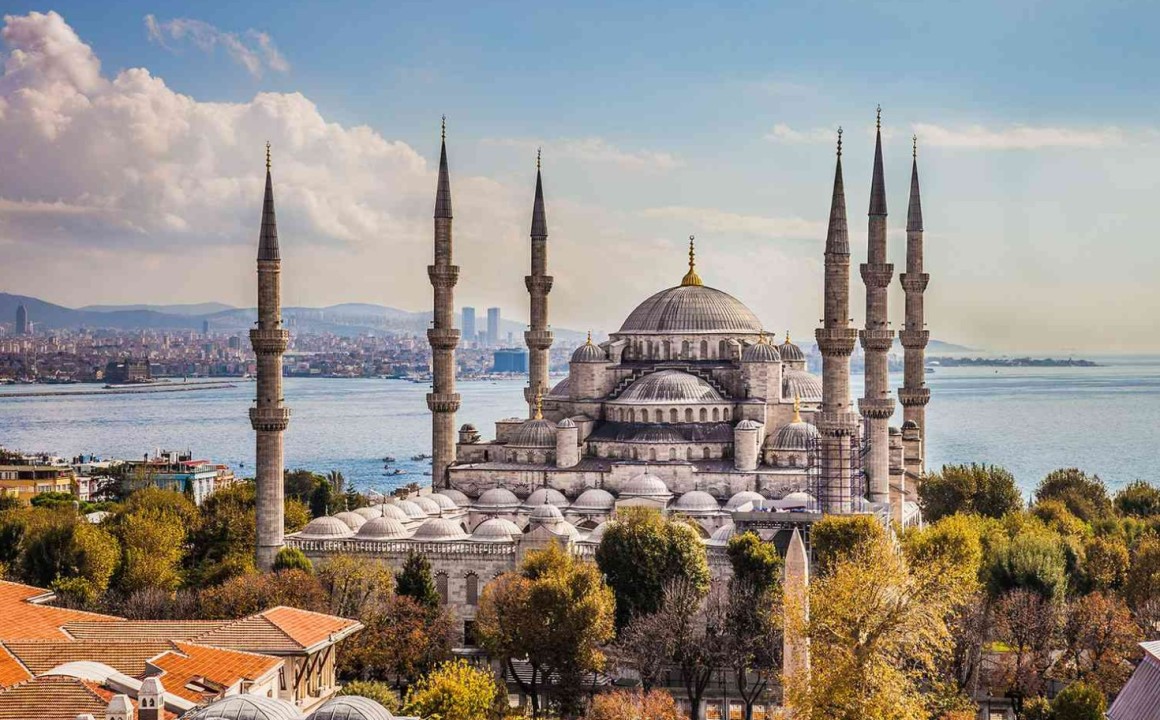
Turkey remains one of the most cost-effective countries for expats. The weak Turkish Lira gives foreign income earners strong purchasing power. In Istanbul, a single expat might spend around $1,500–$1,900 per month, while in cities such as Antalya or Izmir monthly expenses may be around $1,000–$1,400. Because of high inflation, lira prices change frequently. These estimates include rent, utilities, transportation, dining, and basic healthcare.
Monthly Budget Examples in Turkey
Single in Istanbul:
- Rent (1BR): $900–$1,200
- Utilities & Internet: $100–$150
- Food & Dining: $300
- Transport: $50
- Leisure: $150
Family of 4 in Izmir:
- Rent (3BR): $900–$1,200
- Utilities: $180
- Food: $700
- Transport: $200
- Schooling & Leisure: $400
Currency and Inflation Impact
One key consideration is Turkey’s inflation rate, which has been very high in recent years, peaking above 70% in 2024 before easing. High inflation pushes up local prices and rents, even though a weaker lira can keep some costs competitive for people earning in foreign currencies. However, currency instability could impact long-term financial planning.
Living Costs in Portugal
Portugal’s cost of living is higher than Turkey’s but still moderate by Western European standards. A single person in Lisbon may spend €1,400–€1,800 monthly, while smaller cities like Coimbra offer the same lifestyle at €1,000–€1,300. A family of four in Lisbon should expect costs in the €3,200–€4,000 range.
Stability and Resident Benefits
Portugal benefits from stable prices due to the Euro. Residents may benefit from subsidized transport passes, public healthcare, and social tariffs for utilities. The government also offers support to eligible low-income families, such as housing assistance. Despite higher costs than Turkey, Portugal offers more predictability and consumer protections.
Real Estate and Investment Opportunities
Property Market in Turkey
Turkey’s property market is open to foreign buyers and can be relatively inexpensive compared with Western Europe, although prices have risen sharply in recent years. Central Istanbul and popular coastal areas such as Bodrum are considerably more expensive than inland cities. Istanbul and Izmir are popular with expats and investors because of strong rental demand.
Price Advantage and Legal Due Diligence
Foreign buyers are advised to hire an independent lawyer to verify title deeds and property zoning. The Turkish government offers online tools to check property records. Rental yields vary by location and property type, and short-term holiday lets are subject to licensing rules.
Real Estate Investment in Portugal
Property values in Portugal have risen strongly over the past decade, including significant increases in 2024 and 2025, particularly in Lisbon, Porto, Madeira, and the Algarve. Lisbon and Porto are mature markets, while inland cities such as Évora and Castelo Branco may offer emerging opportunities.
Property Appreciation and Rental Income
Property prices have more than doubled in many areas since the early 2010s. Rental yields depend heavily on location, and short-term rentals are subject to licensing rules and restrictions in some areas.
Taxation on Rental Income
Portugal taxes rental income at a standard rate of 25%, with lower rates for long-term leases (rates are subject to change, so check the current rules):
- 15% for contracts 5–10 years
- 10% for contracts 10–20 years
- 5% for contracts over 20 years
Other taxes include:
- IMI: 0.3%–0.45% of the property’s taxable value annually for urban property
- IMT: one-time property transfer tax
- Stamp Duty: 0.8% on the sale price
Investment Thresholds and EU Protection
Real estate purchases no longer qualify for Portugal’s Golden Visa, so property investment is now mainly a financial or lifestyle decision rather than a residency route. EU legal protections support investor confidence, including transparent court processes and regulated landlord-tenant relations.
Taxes and Banking Systems
Turkish Taxation and Financial System
Residents are taxed on global income, while non-residents are only taxed on Turkish income. Income tax rates range from 15% to 40%. Rental income, interest, and capital gains (within five years of purchase) are also taxable. Foreign exchange rules and bank procedures can affect large transfers abroad, especially during periods of economic turbulence.
Banking and Currency Exchange
Most banks offer services in English and have online platforms. Foreigners can open accounts with passports and tax IDs. However, inflation and currency controls affect interest rates and foreign exchange conversions.
Portuguese Taxation and Financial Benefits
Portugal’s phased-out NHR regime (Non-Habitual Residency) is replaced by the IFICI scheme, targeting eligible professionals in areas such as higher education, technology, and scientific research. Residents also benefit from Portugal’s double taxation treaties.
NHR vs. IFICI Explained
- NHR (legacy): 10 years of 0%–20% tax on pensions, dividends, interest
- IFICI: 20% flat tax for qualified work income; foreign pensions taxed under regular regime
- Duration: 10 years
- Example: An eligible tech professional under IFICI may pay a flat 20% on qualifying Portuguese employment income, with foreign income treated under the regime’s rules and applicable treaties
Transparent EU Banking
Portugal’s banking system supports SEPA, fintech apps, and international transfers. EU deposit insurance covers accounts up to €100,000. Residents can access loans, credit, and savings plans at regulated rates.
Quality of Life: Lifestyle, Safety, and Culture
Life in Turkey
Turkey offers cultural depth, Mediterranean climate, and affordable luxuries like domestic travel and dining. Istanbul provides a mix of tradition and modernity, while regions like Cappadocia and Fethiye offer tranquil retreats. Some expats find navigating bureaucracy or language barriers a challenge.
Safety and Public Confidence
Turkey is generally safe for expats, and violent crime against foreigners is uncommon, although safety perceptions vary by city and neighborhood, and protests and political tensions occur from time to time. Popular expat areas such as Antalya are generally considered safer than some parts of large cities.
Life in Portugal
Portugal is praised for its safety, social tolerance, and community-oriented lifestyle. Cities are walkable, and public services such as healthcare and transportation are reliable. Outdoor activities and coastal living draw retirees and digital nomads alike.
Cultural Comfort and Expat Satisfaction
Portugal regularly ranks well in expat surveys and global peace rankings, and most residents report feeling safe walking alone at night. The country offers a warm social atmosphere with numerous festivals, strong expat communities, and a focus on work-life balance.
Language, Integration, and Education
Language and Expat Integration in Turkey
Turkish is essential for daily life outside tourist zones. Language barriers can hinder integration, especially in healthcare or legal matters. Some expat communities create support networks, but official integration programs are limited.
Educational Options in Turkey
International schools in Istanbul, Ankara, and Izmir offer British, American, and IB curricula. Tuition often ranges from around $10,000 to over $25,000 per year at leading schools. Local public schools are improving, but language and curriculum may not suit all expat families.
Portuguese Language and Integration Programs
Basic Portuguese (generally A2 level) is required for permanent residence and citizenship. Free or subsidized language classes are available through state-supported programs.
Schools and Family Services in Portugal
Public schools are free and maintain a good standard. International schools (mostly in Lisbon, Porto, Algarve) offer multilingual education with tuition ranging from €7,000 to €18,000/year. Portugal also provides subsidized childcare, parental leave, and after-school programs.
Healthcare and Insurance Systems
Healthcare in Turkey
Turkey has dual public-private healthcare systems. Public healthcare through SGK is available to insured residents, although waiting times can be long. Private care is widely preferred by expats for its affordability and higher service quality.
Medical Services and Insurance Costs
Private insurance premiums vary widely by age and coverage. Major hospitals in cities are equipped with modern facilities and English-speaking staff. Turkey is also a medical tourism hub for dental, cosmetic, and eye care services.
Healthcare in Portugal
Portugal’s SNS system provides near-universal coverage to legal residents. Many services, including most primary care consultations, are free or low cost. Care is high-quality but urban centers have better infrastructure than rural areas.
Insurance and Public-Private Balance
Many expats use both public SNS and private plans to reduce wait times. Private coverage typically costs a few hundred to around €1,000 per year, depending on age and cover. Emergency services, maternal care, and chronic illness treatments are reliable.
Conclusion: Which Country Is Right for You?
Turkey may suit those seeking a faster citizenship-by-investment route, low costs, and vibrant culture. It suits short-to-mid-term residents looking for investment value and affordable luxury.
Portugal, while costlier, may be the better choice for those prioritizing long-term security, EU access, family life, and structured legal systems. Whether you want economic dynamism or social stability, the right choice depends on your personal goals and lifestyle preferences.


