US Student Visa

Home / Programs / US Student Visa
Real Estate Investment
-
Non Refundable Donation
-
Mix Investment
-
Time to get the Residency
-
Time to get the Passport
-
Visa Free Countries
-

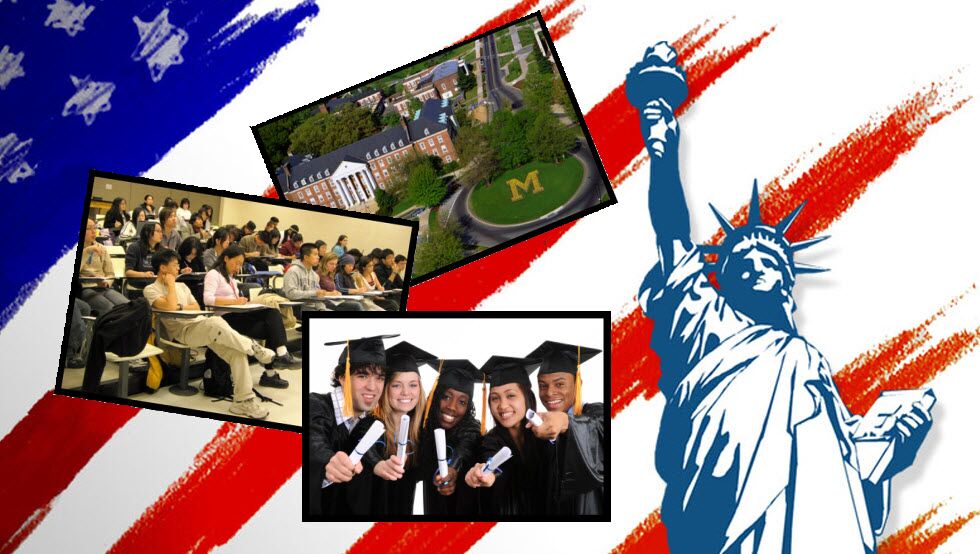
The United States is home to a wide range of internationally recognised universities, colleges, language schools and vocational institutions. International students who are accepted by an eligible US institution generally need the appropriate student visa before travelling to begin their studies.

A US student visa is a temporary, non-immigrant visa. Approval is discretionary and depends on the applicant meeting the applicable immigration requirements.

US Student Visa Categories

The appropriate visa category depends on the type of study or programme:

F-1 Student Visa

The F-1 visa is generally intended for academic studies at:

  • Universities and colleges
  • High schools
  • Private elementary schools
  • Seminaries and conservatories
  • Language-training programmes
  • Other qualifying academic institutions

M-1 Student Visa

The M-1 visa is generally intended for vocational or recognised non-academic programmes, other than language training.

J-1 Exchange Visitor Visa

The J-1 visa applies to approved educational and cultural exchange programmes. Applicants must be accepted by a programme sponsor designated by the US Department of State and receive Form DS-2019.

The F-1 and M-1 visa procedures described on this page do not necessarily apply to J-1 applicants.

Main Requirements

An applicant will generally need to:

  • Obtain admission to a school certified by the Student and Exchange Visitor Program, known as SEVP
  • Receive Form I-20 from the institution
  • Pay the applicable SEVIS I-901 fee
  • Complete the online Form DS-160
  • Pay the non-refundable visa application fee
  • Schedule and attend a visa interview, unless an exception applies
  • Demonstrate sufficient funds for tuition, living expenses and travel
  • Provide evidence of academic preparation
  • Demonstrate a genuine intention to study
  • Establish an intention to leave the United States after completing the authorised course of study

Meeting these requirements does not guarantee visa approval.

Application Process

1. Choose an SEVP-Certified Institution

The applicant must apply to and receive acceptance from a US institution authorised to enrol international students.

Applicants should independently assess the institution’s accreditation, academic standing, programme suitability, tuition fees and admission requirements.

2. Receive Form I-20

Once the applicant is accepted and entered into the Student and Exchange Visitor Information System, or SEVIS, the institution issues Form I-20.

The applicant and the designated school official must sign this form. Each eligible accompanying dependant must receive a separate Form I-20.

3. Pay the SEVIS I-901 Fee

F-1 and M-1 students are generally required to pay the SEVIS I-901 fee before attending the visa interview.

As of July 2026, the standard SEVIS I-901 fee for an F-1 or M-1 student is USD 350. Fees are subject to change and should be confirmed through the official US government website before payment.

F-2 and M-2 dependants do not ordinarily pay a separate SEVIS I-901 fee.

4. Complete Form DS-160

The applicant must complete the online non-immigrant visa application, Form DS-160, upload a compliant photograph and retain the confirmation page.

A separate DS-160 is generally required for each family member applying for a visa.

5. Pay the Visa Application Fee

As of July 2026, the standard non-refundable application fee for an F or M student visa is USD 185.

Depending on the applicant’s nationality, a separate visa issuance or reciprocity fee may also apply after approval.

University application fees, tuition deposits, document-assessment charges and other institutional expenses are separate from US government visa fees.

6. Schedule the Visa Interview

Applicants should normally schedule their interview at the US embassy or consulate in their country of nationality or residence.

Applying elsewhere may be possible, but applicants could face longer appointment times or greater difficulty demonstrating their eligibility. Procedures and waiting times vary between consular posts.

7. Prepare the Supporting Documents

Applicants are commonly required to provide:

  • A passport valid for travel to the United States
  • Form DS-160 confirmation page
  • Visa appointment confirmation
  • Visa application fee receipt, where applicable
  • Signed Form I-20
  • SEVIS I-901 payment receipt
  • A photograph meeting US visa specifications
  • Admission or enrolment documents
  • Academic transcripts, diplomas and certificates
  • Standardised test results, where required
  • Evidence of sufficient funds
  • Scholarship or sponsorship documents, if applicable
  • Evidence explaining the applicant’s study plans and choice of institution
  • Documents supporting the applicant’s intention to leave the United States after completing the programme
  • Additional documents requested by the relevant embassy or consulate

The exact requirements depend on the applicant’s circumstances and the consular post handling the application.

8. Attend the Visa Interview

During the interview, a consular officer assesses whether the applicant qualifies for the requested visa.

Digital fingerprints are normally taken as part of the application process, although procedures may vary by location. The application may be approved, refused or placed under administrative processing.

9. Travel to the United States

A visa permits the holder to travel to a US port of entry and request admission. It does not guarantee entry. The final decision is made by US Customs and Border Protection.

A new F-1 or M-1 student may generally enter the United States no more than 30 days before the programme start date shown on Form I-20.

Application and Processing Time

There is no universal processing period for a US student visa.

The overall timeline depends on:

  • Admission processing by the educational institution
  • Issuance of Form I-20
  • Interview availability at the relevant embassy or consulate
  • The applicant’s nationality and place of application
  • Whether additional documents are requested
  • Whether the application requires administrative processing

New F and M visas may generally be issued up to 365 days before the programme start date. Applicants should apply early but should not make non-refundable travel arrangements until their visa has been issued.

Working While Studying

A student visa does not provide unrestricted permission to work in the United States.

Eligible F-1 students may, subject to applicable rules and approvals, undertake:

  • Limited on-campus employment
  • Curricular Practical Training, known as CPT
  • Optional Practical Training, known as OPT
  • A possible STEM OPT extension for qualifying programmes and employers

Employment must comply with the student’s visa status and may require authorisation from the institution, SEVIS and/or US Citizenship and Immigration Services.

M-1 students have more limited employment options and may generally participate only in authorised practical training related to their vocational studies after completing the programme.

Unauthorised employment can result in the loss of lawful student status and may affect future US immigration applications.

Family Members

The spouse and unmarried children under 21 of an F-1 or M-1 student may be eligible to apply for F-2 or M-2 dependant visas.

Each dependant must normally receive an individual Form I-20 and submit a separate visa application.

Minor children in F-2 or M-2 status may generally attend primary or secondary school. Study restrictions apply to adult dependants, and F-2 and M-2 dependants are not authorised to work in the United States.

Duration of Stay

The visa’s expiry date is not necessarily the same as the period for which the student may remain in the United States.

F-1 students are commonly admitted for “duration of status,” meaning they may remain while properly pursuing their approved programme and complying with the conditions of their status, including any authorised practical training and applicable departure period.

Students must maintain their enrolment and comply with all reporting, academic, employment and immigration requirements.

Does a US Student Visa Lead to Permanent Residence?

A US student visa does not directly provide permanent residence or citizenship.

After graduation, some students may qualify for authorised practical training or later become eligible for another immigration category, such as an employment-based visa. Any later application is separate and subject to its own eligibility requirements.

No transition to another status, permanent residence or citizenship is automatic or guaranteed.

Benefits of Studying in the United States

Depending on the institution and programme selected, international students may benefit from:

  • Access to a broad range of academic and vocational programmes
  • Study at internationally recognised institutions
  • Flexible programme and subject choices
  • Exposure to diverse academic and cultural environments
  • Research, innovation and professional-development opportunities
  • Access to authorised practical training where eligible
  • The possibility for eligible immediate family members to accompany the student

The quality, accreditation, costs and outcomes of institutions and programmes vary and should be carefully evaluated before applying.

Important Considerations

Applicants should understand that:

  • Admission to a US institution does not guarantee visa approval
  • A student visa does not guarantee admission at the US border
  • Applicants must maintain valid student status throughout their stay
  • Employment is restricted and may require prior authorisation
  • Financial requirements vary according to the institution, programme, location and family size
  • Visa appointment and processing times vary considerably
  • A student visa does not directly grant permanent residence or citizenship
  • Government fees and procedures may change

How Cross Border Freedom Can Assist

Cross Border Freedom provides strategic support to students and families considering education in the United States.

Our assistance may include:

  • Reviewing the applicant’s background and study objectives
  • Helping applicants understand the relevant visa category and process
  • Coordinating the collection and organisation of supporting documents
  • Providing guidance on Form DS-160 and interview preparation
  • Supporting accompanying-family applications
  • Identifying potential concerns before submission
  • Coordinating with qualified educational or legal professionals where necessary

Every application is assessed individually by the relevant US authorities, and no visa outcome can be guaranteed.

Frequently Asked Questions

Can I study in the United States with a visitor visa?

A visitor visa generally cannot be used for study leading to a US degree or academic certificate. It may permit a short recreational course that does not provide academic credit. Applicants intending to undertake formal study normally require the appropriate student visa.

How early can I apply for an F-1 or M-1 visa?

A new F or M visa may generally be issued up to 365 days before the programme start date. However, a new student cannot normally enter the United States more than 30 days before that date.

Is a visa interview required?

Interviews are generally required, although limited exceptions may apply. A consular officer may request an interview from any applicant.

How much money must I show?

There is no single fixed amount for all applicants. The applicant must demonstrate sufficient funds for the tuition, living and travel costs relevant to the institution, programme, location and accompanying family members.

Can I work with an F-1 visa?

Only within the applicable student-employment rules and, where required, after obtaining authorisation. An F-1 visa does not provide general or unrestricted employment rights.

Can my spouse work in the United States?

An F-2 or M-2 dependant is not authorised to work. A spouse would need to independently qualify for a status that permits employment.

Can my children attend school?

Minor children holding F-2 or M-2 status may generally attend primary or secondary school in the United States.

Can I remain in the United States after graduation?

Eligible F-1 students may apply for Optional Practical Training or another immigration status if they meet the relevant requirements. Remaining in the United States is not automatic and requires continued lawful status or approval under another immigration category.

Does the visa guarantee entry to the United States?

No. A visa allows the holder to travel to a US port of entry and request admission. US Customs and Border Protection makes the final admission decision.

What happens if my visa application is refused?

The consular officer should identify the legal basis for the refusal. Whether the applicant can provide additional documents or reapply depends on the reason for the decision. Reapplying without a material change in circumstances may result in the same outcome.

Important Notice

This page was reviewed in July 2026 and is provided for general informational purposes only. It does not constitute legal, immigration, tax, financial or educational advice.

US immigration rules, government fees, nationality restrictions, screening requirements and consular procedures may change without notice. Applicants should confirm the latest requirements with the relevant US embassy or consulate or consult an appropriately qualified US immigration professional before applying.

Cross Border Freedom does not accept responsibility for decisions made solely on the basis of this general information. Visa applications and admission to the United States are assessed exclusively by the relevant US authorities, and no approval or outcome can be guaranteed.

Content Update Notice

Some website content may be outdated due to an ongoing migration and update process. All materials are currently being reviewed, and some pages may still contain older information. For critical or time-sensitive matters, please check the publication date or contact our team directly.
Call Now Button